Author: Dr. Jesse Carmen
While both dentists and orthodontists attend dental school, orthodontists complete several additional years of specialized training focused specifically on tooth movement, bite alignment, and jaw development. If your concern involves alignment, Invisalign®, braces, or how your teeth fit together, an orthodontist provides the focused expertise needed to guide safe, precise, and lasting results.
Summary
- Orthodontists receive specialized training beyond dental school, focused entirely on tooth movement and jaw alignment.
- Treatment planning centers on bite function, jaw position, and long-term stability, not just appearance.
- Appliance selection (braces or Invisalign) is only one part of care; the real expertise is in designing precise tooth movements.
- Experience matters most in complex or long-term cases, where small details make a big difference in results.
When it comes to improving your smile, many people aren’t sure whether they should see a general dentist or an orthodontist. Both doctors play important roles in protecting your oral health, but their training, focus, and treatment approaches are very different.
At Carmen Orthodontics, we often meet patients across Columbus, Canal Winchester, Pickerington, and Grove City who are surprised to learn how specialized orthodontic care really is.
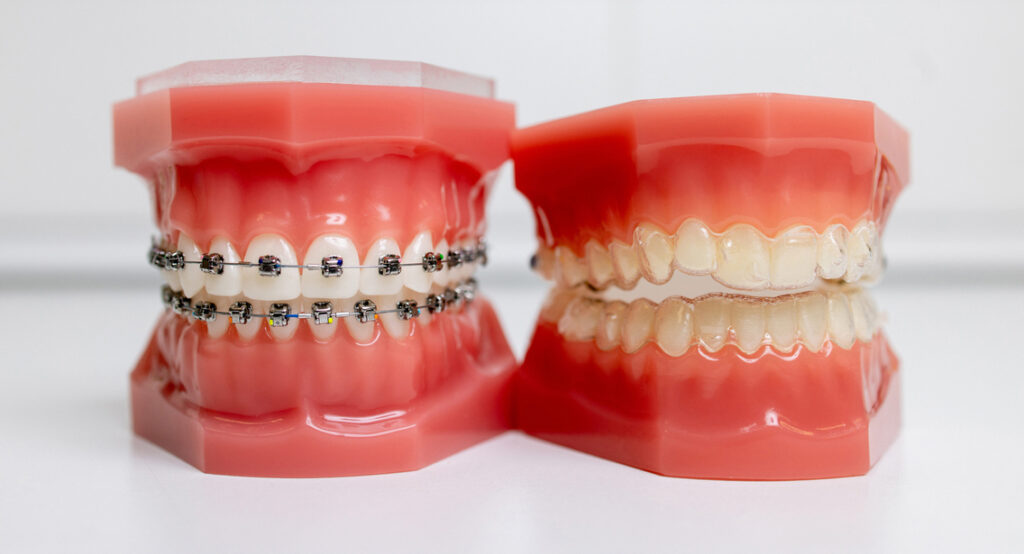
How Orthodontic Specialty Training Differs From General Dentistry
After dental school, orthodontists complete an additional 2–3 years of full-time specialty training focused exclusively on:
- Tooth movement biomechanics
- Growth and development of the jaws
- Bite correction (malocclusion treatment)
- Facial balance and symmetry
- Long-term stability and retention
While general dentists are highly trained in preventative care, fillings, crowns, and overall oral health, orthodontists dedicate years to mastering how teeth move and how to guide that movement precisely.
What Orthodontists Focus On Beyond Straight Teeth
Straight teeth are important, but they’re only part of the equation. Orthodontists evaluate how your upper and lower teeth fit together, jaw alignment and function, and plan for long-term stability after treatment. Two smiles may look similar at first glance. However, one may have hidden bite imbalances that could lead to jaw discomfort, premature tooth wear, or shifting of the teeth over time.
Orthodontic treatment is designed to create a stable, functional bite that supports long-term oral health. Straighter teeth are easier to clean, which is why you may see a dentist refer you or your child to an orthodontist if necessary.
When To See an Orthodontist vs. a Dentist
Both dentists and orthodontists are essential to maintaining a healthy smile, but they serve different purposes.
See a dentist for:
- Routine cleanings and exams
- Cavities, fillings, and crowns
- Gum health concerns
- Tooth pain or sensitivity
- Preventative care and overall oral health maintenance
Your general dentist helps keep your teeth and gums healthy and addresses issues like decay or infection.
See an orthodontist for:
- Crooked or crowded teeth
- Bite issues (overbite, underbite, crossbite, open bite)
- Jaw alignment concerns
- Spacing problems
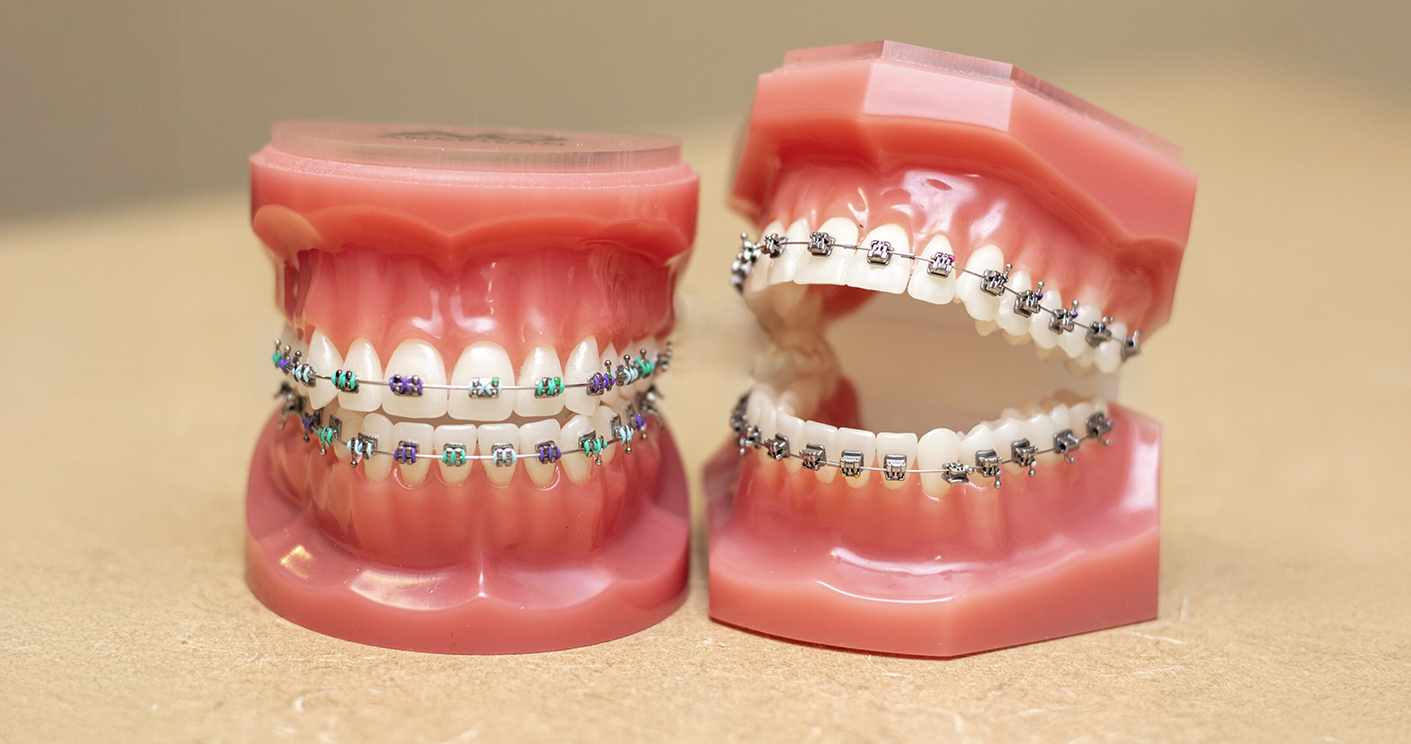
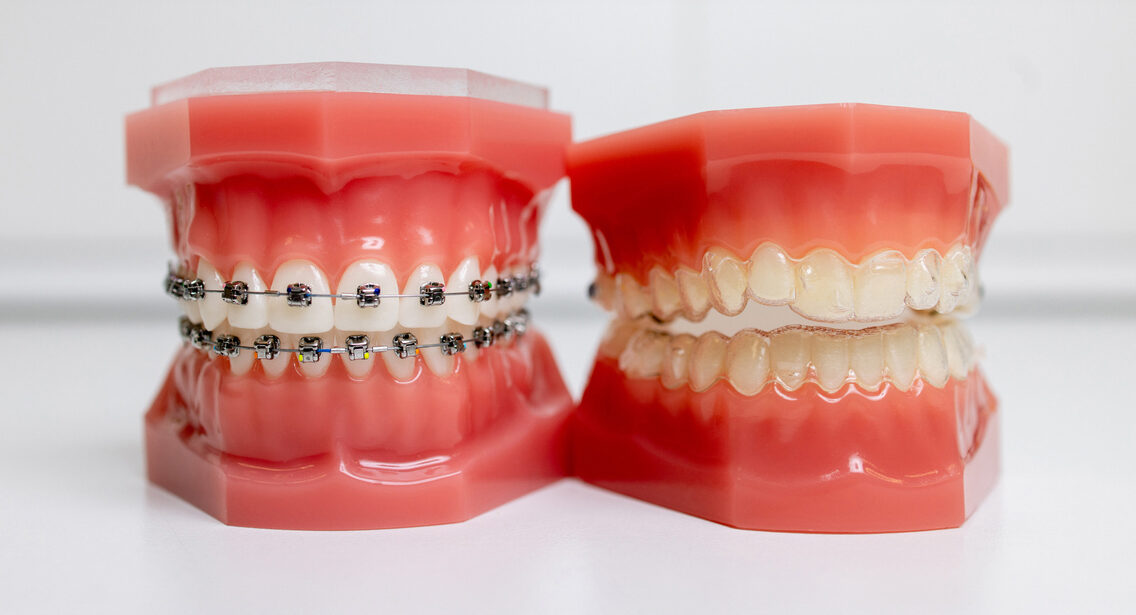
- Invisalign or braces treatment
An orthodontist specializes in how teeth move and how your upper and lower jaws fit together. If your concern involves alignment, bite function, or long-term stability, an orthodontic consultation is the right next step.
Many patients benefit from seeing both a dentist for ongoing oral health maintenance and an orthodontist for specialized alignment care.

Final Thoughts: Choosing the Right Provider for Your Smile
If your goal is to improve alignment, correct your bite, or explore options like Invisalign or custom braces, seeing an orthodontist ensures your treatment plan is built around long-term stability, function, and efficiency, not just appearance.
At Carmen Orthodontics, we combine specialized training with advanced technology like 3D digital scanning, fully customized braces, Invisalign expertise, and Dental Monitoring to make treatment precise, convenient, and tailored to your lifestyle.
Whether you’re considering care for yourself or your child, the first step is simple: schedule your complimentary consultation today at one of our Central Ohio locations, and get clear answers about the best path forward for your smile.
Frequently Asked Questions
Can a dentist provide orthodontic treatment?
Some general dentists offer limited orthodontic services such as clear aligners. However, orthodontists complete additional years of specialized training focused solely on tooth movement, bite correction, and jaw alignment. For complex or long-term cases, that specialized experience makes a massive difference in how successful treatment is.
Does orthodontic training affect long-term results?
Orthodontic training centers heavily on stability and retention planning. Proper bite correction and controlled tooth movement help support results that are designed to last, especially when paired with consistent retainer wear after treatment.
What problems are commonly missed without orthodontic planning?
Without a comprehensive orthodontic evaluation, underlying bite imbalances, jaw discrepancies, or long-term stability concerns may go unnoticed. Treatment that focuses only on cosmetic alignment may not fully address functional concerns.